Best Time to Visit Komodo Island
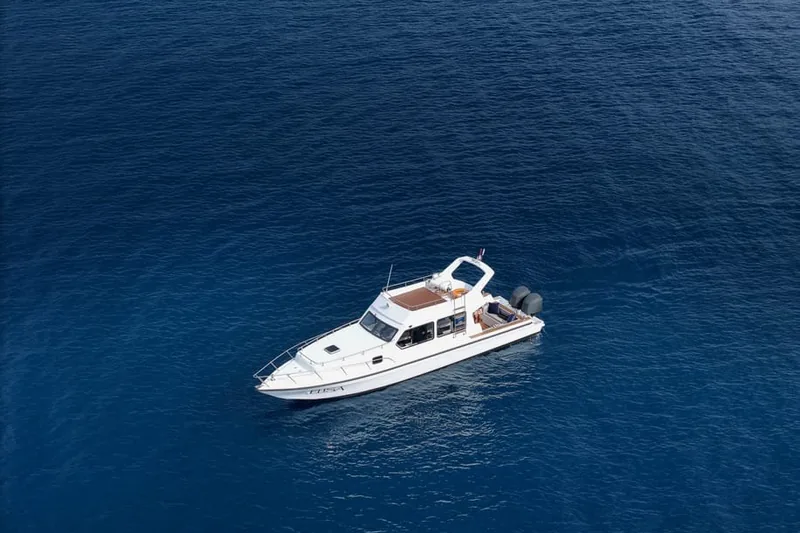
Dry season: April to November
This is the reliably good window. Winds drop, the sea flattens, and the boat itinerary stays stable. You are not cancelling because conditions closed Manta Point or Pink Beach. Visibility is good for snorkelling; water temperature sits around warm enough to snorkel in without a wetsuit. April to May and October to November are shoulder months with fewer crowds. July and August are peak, meaning the park reaches 1,000 visitors a day — Padar is busiest, tours cluster at the same sites, and you see more boats than nature.
The wet season reality: December to March
Rain is frequent, winds pick up, and the sea gets rough. Individual stops can close — a guide might decide the swell is too high for Manta Point or the reef sites. A 10-hour tour can shrink to five sites instead of four. Humidity is high. This is not the best time unless you have no choice. Flights are less frequent, and prices can be cheaper, but you are booking against the weather.
Shoulder season pick: April, May, October, November
If you can choose, book April or May for reliable weather and thinning crowds. October and November are similar — stable conditions, September sees clear skies and moderate crowds. Booking lead time is 1–2 weeks, and you are unlikely to hit the 1,000-visitor cap. Sea conditions rarely close sites.
Peak season reality: July and August
Weather is excellent, but the park is at full capacity most days. Every boat that can launch is launching. The Padar stairs are crowded at sunrise. Sites are packed. If you value solitude, avoid these weeks. If you have only July or August available, book 3–4 weeks ahead and expect to queue.
Manta rays and dragon season
Manta rays are wild animals and never guaranteed on any date, regardless of season. Some boats see them and some do not, on the same morning. Dragons are more active in the dry season when they move around more. In mating season, they rest more and are harder to find. You will see at least one dragon on every tour; seeing multiple is common but not certain.
Practicalities
Book ahead if you want a specific date. Budget $93 plus $19–$24 cash on the day for park entry. Padar is a stair climb in full sun; bring a hat, sunglasses, 1–2 liters of water, and high-factor. Boats leave before dawn, so you are awake and on the water in the dark. That is the trade-off for Padar at sunrise instead of Padar at noon.
First time? Book May or September. The weather is dialed in, the crowds are light, and you don’t need to book months ahead. July and August are excellent but crowded; plan 3–4 weeks ahead.
Frequently asked questions
What is the best time to visit Komodo?
Dry season: April to November. Weather is stable, sea conditions are calm, and sites rarely close. Avoid December to March (wet season, rough seas, frequent closures). Shoulder months (April, May, October, November) are uncrowded and reliable.
When is it most crowded?
July and August. The park hits 1,000 visitors per day, tours cluster at the same sites, and Padar is busy at sunrise. Book 3–4 weeks ahead if you travel then.
When is the weather worst?
December to March. Rain is frequent, winds pick up, and sea conditions close sites regularly. It’s not impossible to visit, but it’s higher risk than the dry season.
Are manta rays guaranteed?
No. Manta rays are wild animals and nobody can promise them. Two boats can moor at the same point an hour apart and only one crew sees anything. It’s a sighting, not an inclusion. Dragon sightings are far more common.
What temperature is the water?
Roughly warm enough to snorkel in without a wetsuit in the dry season. Slightly warmer in the wet season but rougher conditions. Bring a wetsuit if you’re sensitive to cold, or just swim in the day heat.